
Learn More About Us
Saving lives, and inspiring awareness.
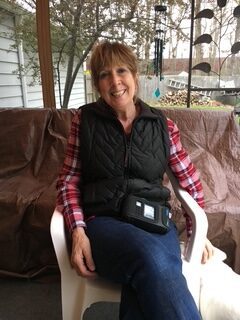
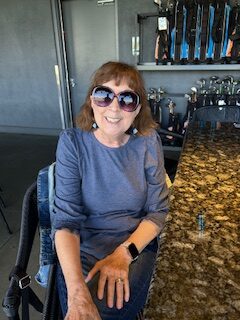
Meet Nelda Ruth DeMoss
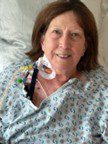
In March 2019, my wife of 38 years, Nelda, was quietly working at her sewing machine when she suddenly felt nauseous, dizzy, and lightheaded, called out my name, and collapsed. What followed was a shocking discovery: she had suffered a stroke caused by a golf ball-sized tumor at the base of her head. Miraculously, the stroke left no permanent damage, but further tests revealed a deeply concerning heart condition. Her ejection fraction was less than 20 percent, a sign of severe cardiomyopathy, leaving her heart extremely weakened.
Nelda’s journey of care began immediately. She returned home wearing a LifeVest, an external defibrillator designed to protect her fragile heart. On July 1, 2019, she underwent surgery to implant an internal pacemaker/defibrillator, followed by an adjustment in early August. For a brief period, it seemed she might regain stability. Then, on November 8, following a hysterectomy, she suffered another stroke. Life Flight rushed her from Lake West Hospital in Willoughby to University Hospital in Cleveland. This time, the stroke caused aphasia, making speech difficult and confusing words or pronouns—a heartbreaking challenge for someone so vibrant. Through dedicated therapy and the use of cue cards, Nelda worked tirelessly and achieved a 98% recovery, a testament to her remarkable resilience and unwavering determination.
Over the next few years, she approached her health with caution and mindfulness, understanding her limits while maintaining her spirit. In December 2022, a terrifying episode left her short of breath and struggling to breathe, with oxygen levels dropping to 70% and dangerously high sodium levels. This crisis brought us to Dr. Robert Montgomery, a cardiologist specializing in heart failure. With careful guidance, he prescribed Eliquis and Farxiga, closely monitored her sodium intake, and compassionately explained that a heart transplant would eventually be necessary.
Through every setback, Nelda’s courage, patience, and resilience shone brightly. Her journey is a profound reminder of the fragility of life, the importance of expert care, and the strength of the human spirit in the face of overwhelming challenges.
Her Journey
For more than two and a half years, Nelda diligently monitored her health, carefully tracking her weight, steps, and blood pressure in an Excel spreadsheet I created for her. She faithfully underwent semiannual echocardiograms and annual stress tests, remaining vigilant despite the daily challenges of living with advanced heart failure. By March 2025, her most recent stress test revealed a concerning decline. With compassion and clarity, Dr. Montgomery explained, “It’s time to be proactive. We need to start transplant testing.”
Between April and May 2025, Nelda underwent a series of extensive evaluations. The results confirmed the gravity of her condition: her ejection fraction had dropped to 10 percent, a dramatic decrease that highlighted the fragility of her heart. She was placed on the transplant list as Status 6, making her eligible for a donor heart, though not yet at the highest priority.
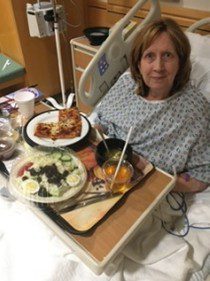
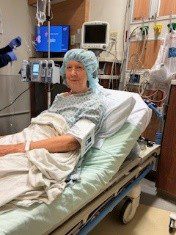
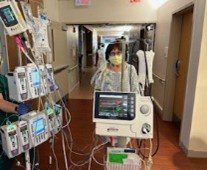
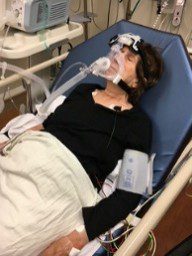
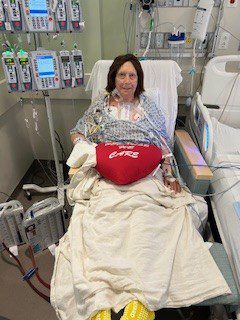
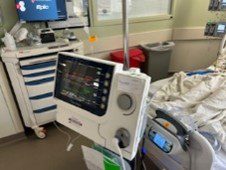
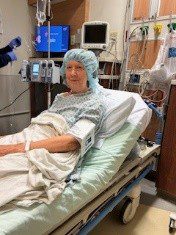
By June, Nelda’s health had further deteriorated. She grew frail and frequently felt lightheaded, prompting her admission to the hospital on June 24th, Room 7006. The transplant team, led by Dr. Gorodeski, implanted an Impella heart pump on June 25th. This advanced device assisted her left ventricle in pumping blood to vital organs, sustaining her life while she awaited a donor heart. With the Impella in place, Nelda’s status was elevated to Status 2, marking her as a top-priority candidate for transplant.
Throughout this critical period, Nelda’s courage, perseverance, and unwavering spirit were evident in every step of her journey. Her resilience, coupled with the skill and dedication of her medical team, exemplifies the extraordinary determination required to navigate the challenges of severe heart failure and prepare for life-saving intervention.
The Struggle
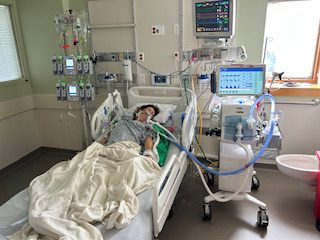
On July 6, 2025, we received the life-changing news that a potential donor heart had become available. The transplant could only proceed if it was a perfect match, and the moment was filled with both hope and anxious anticipation. By July 8th, the transplant team, led by Dr. Kelsey Gray, confirmed that the heart was strong and young, and the surgery began. Hours later, at 10:30 p.m., we were informed that Nelda had done amazingly well. She remained sedated in the cardiac ICU for 24 hours to allow her body to stabilize, a critical step in her recovery.
The following day, July 9th, I saw Nelda in the ICU. Surrounded by machines and monitors, she appeared fragile, yet there was an unmistakable strength and resilience in her presence. By July 10th, she was walking and moving independently. Her recovery astonished her doctors — weekly heart biopsies showed no signs of rejection, and her rapid improvement led to her transfer to a step-down cardiac unit, a sign that her new heart was functioning beautifully.
After just two weeks post-transplant, Nelda was able to return home on July 24th, 2025. Her recovery continued to inspire everyone around her — she was cooking, doing laundry, and walking 3,500–5,000 steps a day. From a frail and critically ill patient to a vibrant, active woman, Nelda’s courage, determination, and unwavering spirit carried her through one of the most challenging journeys of her life, a testament to both her resilience and the dedication of her medical team.
The Recovery
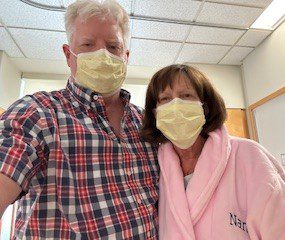
Nelda’s journey is a powerful testament to resilience, medical excellence, and the life-changing gift of organ donation. On July 9, 2025, just one day after her heart transplant, Nelda was removed from the ventilator by 4 PM, sitting up by 6 PM, and walking around the Cardiac ICU by 9 PM—milestones that amazed her medical team and inspired her family. Her husband remained by her side, holding her hand and offering emotional support, both deeply grateful for the generosity of the organ donor and the expertise of the medical team.
The following day, Nelda was transferred to the Heart Failure Unit (Room 7008), no longer needing life-support devices such as the Impella pump, pacemaker, or defibrillator, and began walking and moving independently. Weekly heart biopsies ensured careful monitoring, yet her progress exceeded all expectations. After a week, she advanced to the Cardiac Step-Down Unit, steadily regaining strength, independence, and confidence.
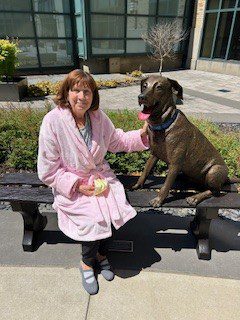
By July 24, just two weeks post-transplant and one month after her hospital admission, Nelda was discharged home, resuming her daily activities with renewed energy, walking 3,500–5,000 steps per day, cooking, and taking care of her home. Her doctors and husband alike described her recovery as truly “amazing.”
Nelda’s story is not only one of medical success but also of gratitude, hope, and the transformative power of generosity. She and her family remain deeply thankful to Dr. Montgomery, the heart transplant team, the organ donor and their family, and to God for guiding them through this life-changing journey. Her experience serves as a shining example of courage, determination, and the extraordinary impact of organ donation.
Join Us in Making a Difference
We invite you to join us in our mission to create a world where organ donor awareness is widespread, misconceptions are dispelled, and every potential donor is recognized for the incredible gift they can offer. Together, we can honor the legacy of donors, support recipients, and promote a culture of compassion and life-saving generosity.
Sincerely Yours,
Nelda Ruth DeMoss